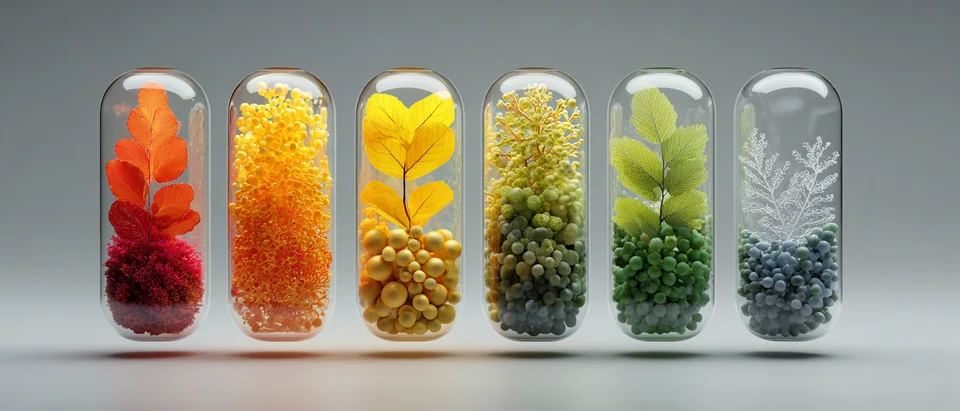
Pharmacogenomics has long been recognized as a primary determinant of interindividual variability in drug response, yet genetic polymorphisms account for only a fraction of the observed heterogeneity in therapeutic outcomes. A parallel and underappreciated dimension — the metabolic capacity of the human gut microbiome — has emerged as an equally consequential modulator of pharmacokinetics and pharmacodynamics. The field of pharmacomicrobiomics investigates the bidirectional molecular interactions between gut microbial communities and xenobiotics, encompassing approved pharmaceuticals, prodrugs, and bioactive nutraceuticals. This review synthesizes current evidence across four cardinal mechanisms: (1) direct microbial drug inactivation, as exemplified by Eggerthella lenta-mediated reduction of digoxin to dihydrodigoxin via the cardiac glycoside reductase (cgr) operon; (2) microbial depletion of drug bioavailability prior to systemic absorption, demonstrated by Enterococcus faecalis tyrosine decarboxylase-mediated conversion of levodopa to peripheral dopamine; (3) microbiota-dependent augmentation of therapeutic drug efficacy, illustrated by metformin's partial mechanistic reliance on Akkermansia muciniphila enrichment and short-chain fatty acid signaling; (4) microbial biotransformation of dietary polyphenols into pharmacologically active circulating metabolites, including the irreplaceable conversion of ellagic acid to urolithin A and of daidzein to equol. Secondary topics addressed include gut bacterial β-glucuronidase reactivation of irinotecan's toxic metabolite SN-38, bile acid transformation by the microbiota and its downstream effects on nuclear receptor signaling (FXR, TGR5), and the emerging translational strategies — microbiome profiling, targeted enzyme inhibition, fecal microbiota transplantation — that these mechanisms motivate. Clinicians and clinical researchers cannot responsibly interpret drug failures, dosing variability, or nutraceutical intervention trials without accounting for the microbial pharmacological layer described herein.
Keywords: pharmacomicrobiomics, gut microbiota, drug metabolism, levodopa, digoxin, metformin, Akkermansia muciniphila, urolithin A, ellagic acid, equol, irinotecan, β-glucuronidase, bile acids, precision medicine
1. Introduction
The clinical pharmacologist's traditional framework assigns drug metabolism to two principal organs — the liver and, to a lesser extent, the intestinal epithelium — governed by a well-characterized repertoire of cytochrome P450 enzymes, glucuronosyltransferases, and efflux transporters. This framework, while accurate as far as it extends, systematically omits a metabolically formidable ecosystem harbored within the human gastrointestinal tract: the gut microbiota, comprising an estimated 1013 microbial cells encoding over 5 million distinct genes. [^1] The aggregate enzymatic capacity of this community exceeds that of the human liver by several orders of magnitude in terms of chemical diversity, and it operates on every xenobiotic molecule that traverses the intestinal lumen.
Recognition that gut bacteria could transform pharmacologically active compounds is not new — the inactivation of digoxin by Eubacterium lentum was reported as early as 1982. [^2] What is new is the molecular resolution at which these interactions have been characterised since the advent of metagenomics, gnotobiotic mouse models, and structural biochemistry. We now understand the specific gene, enzyme, and even single-nucleotide polymorphism responsible for levodopa decarboxylation in the jejunum of Parkinson's patients. [^3] We know the precise operon responsible for digoxin reduction. [^4] We know which bacterial genera convert ellagic acid to urolithin A. And we are beginning to understand why metformin may require a specific mucosal symbiont to fully exert its glycaemic effects. [^5]
The term pharmacomicrobiomics was introduced to describe this field — the systematic study of how microbiome variation contributes to interindividual variability in drug response and adverse drug reactions, paralleling the conceptual structure of pharmacogenomics. [^6] The scope of pharmacomicrobiomics is broader than is commonly appreciated in clinical practice, where the microbiome remains primarily associated with probiotic administration during antibiotic therapy. This review is addressed specifically to clinicians and clinical researchers, with the aim of establishing the molecular foundations of microbiota–drug interactions and articulating their direct implications for patient management, dosing strategy, and nutraceutical interpretation.
The format chosen is a Clinical Review Article, as the primary need in this domain is for a structured synthesis accessible to practising physicians, rather than a meta-analysis of a defined interventional question. The evidence base spans mechanistic biochemistry, gnotobiotic animal models, human observational cohorts, and early clinical trials — a heterogeneity of study designs that is best synthesised narratively.
2. Mechanistic Foundations: How the Microbiota Interacts with Xenobiotics
2.1 Direct Enzymatic Biotransformation
Gut bacteria possess a rich repertoire of enzymatic activities capable of chemically transforming drug molecules. The principal reactions include hydrolysis (glycoside hydrolases, β-glucuronidases, sulfatases), reduction (azoreductases, nitro-reductases, carbonyl reductases, diol dehydratases), decarboxylation, dehydroxylation, and acetylation. [^7] Because many of these reactions are irreversible or produce metabolites incapable of crossing the blood-brain barrier, the clinical consequences range from simple loss of efficacy to the generation of toxic products.
Crucially, these enzymatic capacities are not uniformly distributed across the bacterial community. The cgr operon responsible for digoxin reduction is present in only a subset of Eggerthella lenta strains. [^4] The tyrDC gene mediating levodopa decarboxylation is found predominantly in Enterococcus faecalis and certain Lactobacillus species. [^3] This gene-level granularity means that the pharmacological impact of the microbiota is not a species-level phenomenon but a strain-level, and even allele-level, phenomenon — with direct implications for microbiome-informed precision medicine.
2.2 Indirect Modulation of Host Metabolism
Beyond direct drug transformation, the microbiota shapes drug pharmacokinetics indirectly through: alteration of intestinal permeability and drug absorption; modulation of hepatic CYP enzyme expression via circulating microbial metabolites (including bile acids and short-chain fatty acids); regulation of drug transporter expression; and systemic immunomodulation that alters the drug response environment. [^6][^8] The gut-liver axis, mediated in part by the portal circulation of secondary bile acids, represents a particularly important indirect pathway — discussed separately in Section 5.
2.3 Bidirectionality: Drugs as Microbial Modulators
The interaction is not unidirectional. Many drugs structurally alter the gut microbial community, thereby secondarily altering their own pharmacodynamic milieu. Antibiotics are the most obvious example, but non-antibiotic drugs — including proton pump inhibitors, metformin, aspirin, and selective serotonin reuptake inhibitors — demonstrably reshape microbial composition, with downstream consequences for the metabolism of co-administered or subsequently administered drugs. [^1][^6]
3. Drug Inactivation by the Gut Microbiota
3.1 Digoxin and Eggerthella lenta: A Paradigmatic Case
Digoxin, a cardiac glycoside with a narrow therapeutic index used in heart failure and atrial fibrillation, was the first pharmaceutical whose in vivo inactivation by gut bacteria was documented with clinical rigour. Lindenbaum and colleagues showed in the early 1980s that a subset of patients on stable oral digoxin regimens generated substantial urinary concentrations of the cardioinactive metabolite dihydrodigoxin, and that this conversion was prevented by antibiotic treatment targeting Eubacterium lentum (subsequently reclassified as Eggerthella lenta). [^2] The reduction of digoxin to 20R-dihydrodigoxin by E. lenta cultures was subsequently demonstrated to be stereospecific, proceeding with >99% selectivity for the 20R epimer. [^9]
The molecular basis for this transformation was elucidated by Haiser, Balskus, and Turnbaugh in a landmark 2013 Science paper. [^4] Using transcriptional profiling and comparative genomics, they identified the cardiac glycoside reductase (cgr) operon — a two-gene cluster encoding a cytochrome-dependent reductase induced by digoxin itself under low-arginine conditions. Not all E. lenta strains carry the cgr operon: its presence is the critical determinant of whether a given patient's microbiota will inactivate digoxin in vivo. Subsequent work identified Cgr2 as the single enzyme sufficient for digoxin inactivation, and demonstrated that the gene is widespread but heterogeneously distributed in the general population. [^2]
The arginine dependency is itself of direct clinical relevance. Gnotobiotic mice colonised with digoxin-reducing E. lenta and fed a high-protein (high-arginine) diet maintained significantly higher serum digoxin concentrations compared to low-protein controls. [^4] This translates to a testable, diet-modifiable parameter: dietary protein intake may partially govern digoxin bioavailability in patients colonised with cgr-bearing E. lenta. The clinical corollary is that variable digoxin efficacy across patients cannot be fully explained by pharmacogenomic variation in P-glycoprotein or the UGT1A locus without also considering cgr operon status.
Recent reviews have extended this analysis to encompass digoxin's broader metabolic interactions with the microbiota, including effects on secondary bile acids, prostaglandin pathways, and systemic lipid homeostasis, underscoring that the E. lenta–digoxin interaction is not pharmacokinetically isolated but embedded in a wider metabolic network. [^10]
3.2 Levodopa and the Enterococcus faecalis / Eggerthella lenta Two-Step Pathway
Levodopa (L-dopa) remains the primary symptomatic treatment for Parkinson's disease, and its heterogeneous clinical response — requiring dose adjustments spanning an order of magnitude across patients — has been attributed to genetic variation in host aromatic amino acid decarboxylase (AADC), CYP2D6 polymorphisms, and peripheral pharmacokinetics. A critical but systematically underweighted contributor is microbial metabolism in the proximal small intestine.
van Kessel, Frye, and El Aidy demonstrated in a study published in Nature Communications that bacterial tyrosine decarboxylase (TyrDC), encoded primarily by Enterococcus faecalis and found in over 50 Enterococcus strains as well as several Lactobacillus species, efficiently converts L-dopa to peripheral dopamine even in the presence of tyrosine as a competitive substrate. [^11] Critically, the host-targeted AADC inhibitor carbidopa, co-administered with L-dopa specifically to prevent peripheral conversion, does not inhibit bacterial TyrDC — it is selective for the eukaryotic enzyme but inactive against the prokaryotic homolog at clinically achievable concentrations. [^11][^12] As a result, up to 56% of administered L-dopa may fail to reach the brain even with carbidopa co-administration.
The molecular pathway is interspecies and sequential: E. faecalis TyrDC first decarboxylates L-dopa to dopamine; E. lenta strain A2 then dehydroxylates dopamine to m-tyramine via a molybdenum cofactor-dependent enzyme (Dadh). Maini Rekdal and colleagues in a 2019 Science paper mapped both steps, identified a single-nucleotide polymorphism in the dadh gene predictive of dehydroxylation activity, and demonstrated that the abundance of E. faecalis, tyrDC gene copies, and the dadh SNP correlated with ex vivo L-dopa metabolism in fecal samples from Parkinson's patients. [^3] They further showed that (S)-α-fluoromethyltyrosine (AFMT) selectively inhibits bacterial TyrDC and increases peak serum L-dopa concentration in mice colonised with E. faecalis — providing proof of concept for a third co-administered agent targeting microbial, rather than host, decarboxylase activity.
A 2025 study published in International Journal of Molecular Sciences extended these findings to a clinically stratified cohort. Patients responding poorly to L-dopa showed significantly greater in vitro fecal conversion of L-dopa to dopamine compared with good responders; fecal microbiota transplantation experiments in MPTP-parkinsonian mice confirmed that donor microbiota composition directly determined striatal dopamine availability and motor outcome. Targeted antibiotic depletion of the gut microbiota in these models enhanced L-dopa bioavailability and striatal dopamine levels, establishing causality rather than mere correlation.
This body of evidence compels a re-evaluation of current clinical practice. For neurologists managing Parkinson's patients with unexplained motor fluctuations, subtherapeutic response, or unusually high dose requirements, tyrDC quantification in fecal or jejunal samples — though not yet standardised for clinical use — represents a plausible diagnostic target. Modification of diet to reduce competing tyrosine substrate or targeted modulation of E. faecalis abundance may eventually emerge as adjunctive therapeutic strategies.
4. Microbiota-Dependent Drug Efficacy: The Metformin–Akkermansia muciniphila Paradigm
Metformin is the most prescribed oral antidiabetic agent globally, with a mechanism long attributed to inhibition of hepatic gluconeogenesis via mitochondrial complex I inhibition and AMPK activation. Accumulating evidence from the past decade challenges this exclusively hepatocentric view, positioning the gut microbiome as a significant mediator of metformin's therapeutic effects.
Shin et al. first demonstrated in a 2013 Gut study that metformin treatment in high-fat-diet-fed mice significantly increased the relative abundance of Akkermansia — a mucin-degrading anaerobe associated with gut barrier integrity — and that oral administration of A. muciniphila without metformin reproduced the improvement in glucose tolerance and adipose tissue inflammation. [^5] This observation was corroborated in human subjects by de la Cuesta-Zuluaga et al. (Diabetes Care, 2016), who found that diabetic patients taking metformin had significantly higher relative abundances of A. muciniphila and several SCFA-producing organisms (including Butyrivibrio, Bifidobacterium bifidum, and Megasphaera) compared to diabetic patients not taking metformin. [^13]
The most rigorous human evidence comes from a double-blind randomised trial in treatment-naive type 2 diabetes patients (Wu et al., Nature Medicine, 2017), summarised in Gut: four months of metformin treatment increased A. muciniphila abundance and the density of positive microbial co-occurrence networks; germ-free mice transplanted with post-treatment feces showed improved glucose tolerance compared to mice receiving pre-treatment feces; and metformin directly promoted A. muciniphila growth in pure cultures. [^14] These germ-free transplantation experiments establish that the microbiome change is sufficient — and not merely coincident — to produce glycaemic benefit, satisfying a key causal criterion.
The proposed molecular mechanisms are multiple and partially interdependent. Metformin inhibits Complex I in bacterial electron transport chains, selectively suppressing metformin-sensitive species and creating ecological space for A. muciniphila. A. muciniphila in turn promotes mucin layer thickness and goblet cell proliferation, improving epithelial barrier integrity and reducing metabolic endotoxemia. It also stimulates L-cell-dependent GLP-1 secretion via short-chain fatty acid and secondary bile acid signaling, thereby amplifying metformin's glycaemic effect through an insulin secretagogue mechanism entirely independent of the traditional hepatic pathway. [^15]
An important nuance concerns dose and duration. Rajpurohit (2025) notes that while moderate A. muciniphila enrichment improves the gut barrier, excessive abundance from prolonged metformin use may paradoxically thin the mucus layer through excessive mucin degradation, potentially increasing intestinal permeability and inflammatory tone. This dual-edged phenotype suggests that the optimal microbiome response to metformin is amplitude-dependent — a consideration with potential implications for long-term metformin dosing strategy in complex patients.
The broader implication is significant: interindividual variation in baseline A. muciniphila abundance may partly explain the well-documented variation in metformin glycaemic response. Patients lacking adequate A. muciniphila colonisation may derive less benefit, while probiotics or dietary interventions that enrich this organism might serve as adjuvants to pharmacotherapy — a hypothesis that several ongoing trials are beginning to address.
5. Microbial Biotransformation of Nutraceuticals: Converting Dietary Precursors into Active Metabolites
5.1 The Ellagic Acid–Urolithin A Axis
Ellagic acid is a polyphenol present in pomegranates, walnuts, berries, and certain oak-aged teas, typically in the form of hydrolysable tannins (ellagitannins). Following ingestion, ellagitannins are hydrolysed in the stomach and small intestine to release ellagic acid. Ellagic acid itself is poorly absorbed due to its low aqueous solubility and rapid intestinal metabolism; its systemic bioavailability as an intact molecule is negligible. What does circulate in biologically relevant concentrations — and what appears responsible for the health benefits attributed to ellagic acid-rich foods — are the urolithins: dibenzofuranone metabolites produced exclusively by the gut microbiota.
The biotransformation pathway proceeds through sequential microbial enzymatic reductions and lactonizations. The genera Gordonibacter and Ellagibacter have been identified as key mediators of the early conversion steps, with Bifidobacterium species (particularly B. longum, B. adolescentis, and B. bifidum) also contributing to urolithin A formation, as demonstrated in an antibiotic-depletion in vitro fermentation study. [^16] Urolithin A — the predominant and most studied end-product — demonstrates mitophagy-stimulating activity through activation of the PINK1/Parkin pathway, anti-inflammatory properties via NF-κB inhibition and Nrf2 activation, anti-proliferative activity against hormone-dependent tumours via PI3K/AKT/mTOR modulation, and improvements in mitochondrial function with relevance to muscle ageing and sarcopenia. [^17][^18]
Critically, the capacity to produce urolithin A from dietary ellagic acid is not universal. Population studies identify three distinct metabolic phenotypes: Metabotype A (urolithin A producers, associated with a more diverse microbiome); Metabotype B (producers of a mixture including urolithin B, isourolithin A, and urolithin A); and Metabotype 0 (non-producers who lack the necessary consortium of bacteria). Metabotype 0 is estimated to affect 30–40% of Western populations, meaning that a substantial proportion of individuals consuming ellagic acid-rich foods or supplements derives no measurable systemic bioactive exposure. [^17]
This population heterogeneity has direct implications for clinical trial design. Studies evaluating pomegranate extract, walnut consumption, or ellagic acid supplementation that fail to stratify participants by metabotype will systematically underestimate true effect sizes, diluting pharmacological signal with the null responses of Metabotype 0 participants. Metabotype-stratified reanalysis of published trials consistently yields stronger effect estimates. The availability of simple urinary urolithin A assays as a metabotype classification tool is therefore not merely of academic interest — it is a prerequisite for valid nutraceutical research design.
5.2 Isoflavones, Daidzein, and Equol: Microbiome-Gated Estrogenic Activity
Soy isoflavones — principally daidzin, genistin, and glycitin — are consumed as glycoside conjugates that are hydrolysed to their aglycone forms by intestinal lactase-phlorizin hydrolase and microbial β-glucosidases. The aglycone daidzein is the precursor to (S)-equol, a nonsteroidal compound that binds estrogen receptor-β with approximately 20 times greater affinity than daidzein itself and also binds 5α-dihydrotestosterone (DHT), thereby antagonising androgen receptor signalling. Equol's estrogenic and antiandrogenic properties underlie much of the clinical interest in soy as a therapeutic dietary agent for menopausal symptoms, osteoporosis, cardiovascular disease, and hormone-sensitive cancers.
The enzymatic cascade converting daidzein to equol — involving daidzein reductase, dihydrodaidzein racemase, tetrahydrodaidzein reductase, and dihydrodaidzein reductase — requires a specific consortium of strictly anaerobic bacteria, predominantly members of the family Eggerthellaceae (notably Adlercreutzia equolifaciens, Slackia equolifaciens, and Slackia isoflavoniconvertens). [^19] These organisms are not universally present: approximately 30–50% of individuals in Western populations are equol producers, while the proportion rises to 50–60% in Asian populations consuming soy-rich traditional diets. [^20]
The consequence is a profound pharmacodynamic bifurcation: equol producers who consume dietary soy or isoflavone supplements experience estrogenic and antiandrogenic systemic exposure; non-producers do not. Meta-analyses that pool both groups without stratification show attenuated and inconsistent effects of soy on menopausal vasomotor symptoms and bone mineral density — a result entirely predictable from this mechanistic foundation. [^21] Soy isoflavone research that does not verify equol-producer status is essentially testing two different biological situations as if they were one. Clinical dietitians and physicians advising patients on soy supplementation should be aware that the recommendation is differentially likely to be effective depending on the patient's microbiome.
6. Microbiota-Mediated Drug Toxicity: The Irinotecan–β-Glucuronidase Model
Irinotecan (CPT-11) is a prodrug widely used in colorectal, lung, and ovarian cancers. Its pharmacological activation involves carboxylesterase-mediated hydrolysis to SN-38, a potent topoisomerase I inhibitor, which is subsequently glucuronidated by UGT1A to the inactive conjugate SN-38G for biliary excretion. Within the colonic lumen, bacterial β-glucuronidase (GUS) enzymes cleave SN-38G back to SN-38, re-exposing the colonic epithelium to the active cytotoxin — a mechanism responsible for the severe delayed diarrhoea (grade 3/4 in 20–40% of patients) that constitutes irinotecan's primary dose-limiting toxicity. [^22][^23]
The causal role of microbial GUS was established mechanistically: antibiotic-treated rats showed approximately 85% reduction in SN-38 AUC in the large intestinal tissue without changes in systemic SN-38 pharmacokinetics, demonstrating that the toxicological event is a local, microbiota-driven phenomenon in the colon rather than a systemic pharmacokinetic failure. [^24] Targeted non-lethal GUS inhibitors — structurally distinct from host GUS and able to protect the colonic epithelium without eliminating the microbial community or impairing systemic irinotecan efficacy — have since demonstrated in mouse models that GUS inhibition both reduces GI toxicity and, by allowing dose intensification, can substantially enhance antitumour efficacy.
More recent work reveals that β-glucuronidase activity is not the only microbial mechanism relevant to irinotecan toxicity. A 2025 Gut publication identified Bacteroides intestinalis as a bacterium expanded in patients who develop irinotecan-associated diarrhoea; this organism produces indole-3-acetate (IAA), a tryptophan catabolite that suppresses PI3K-Akt signalling in intestinal stem cells, impairing epithelial regeneration under irinotecan-induced chemical injury. [^25] Faecal IAA concentrations in clinical patients correlated with diarrhoea severity, identifying a potential predictive biomarker independent of the GUS pathway.
A parallel strand of investigation has identified Lactobacillus reuteri as a GUS-expressing bacterium that exacerbates irinotecan enterotoxicity by depleting the intestinal stem cell regenerative pool — a finding directly relevant to the common clinical practice of prescribing Lactobacillus probiotics to manage chemotherapy-related GI side effects. [^26] The assumption that all Lactobacillus probiotics are protective during chemotherapy is mechanistically unjustified and potentially counterproductive for patients receiving irinotecan.
7. Bile Acid Biotransformation: The Microbial Metabolite Axis in Drug and Metabolic Pharmacology
The gut microbiota's transformation of primary bile acids (cholic acid and chenodeoxycholic acid) to secondary bile acids (deoxycholic acid, lithocholic acid, ursodeoxycholic acid, and numerous derivatives) via 7α-dehydroxylation, epimerisation, oxidation, and deconjugation constitutes the longest-established axis of microbiota–host metabolic interaction. What has been more recently elucidated is the degree to which this biotransformation pathway intersects with xenobiotic pharmacology.
Primary bile acids are preferential ligands for the farnesoid X receptor (FXR), while secondary microbially produced bile acids are ligands for TGR5 (GPBAR1). [^27] TGR5 activation in intestinal L cells stimulates GLP-1 secretion, thereby directly contributing to insulin sensitisation. FXR signalling regulates bile acid synthesis, lipoprotein metabolism, and inflammatory responses, and alterations in FXR activation secondary to microbiome dysbiosis have been implicated in non-alcoholic fatty liver disease, inflammatory bowel disease, and colorectal cancer. [^28] Critically, because many currently approved drugs — including obeticholic acid (a selective FXR agonist approved for primary biliary cholangitis), bile acid sequestrants, and gut-restricted intestinal secretagogues — function precisely by manipulating FXR and TGR5 activity, the microbial determination of the bile acid pool composition represents a direct pharmacological variable. [^29]
Alterations in the microbiota (by disease, antibiotics, or other drugs) shift the ratio of primary to secondary bile acids, thereby altering baseline FXR and TGR5 activation and potentially modifying the pharmacodynamic response to drugs targeting these receptors. A patient with antibiotic-depleted microbiota will have a fundamentally different bile acid pool and receptor activation profile than an untreated patient — a consideration rarely accounted for in clinical drug trials.
8. Translational Implications and Emerging Clinical Strategies
8.1 Microbiome Profiling as a Pre-Treatment Biomarker
The evidence reviewed above supports the concept that baseline microbiome profiling — specifically quantification of relevant functional genes (e.g., cgr2, tyrDC, GUS-encoding loci, equol biosynthesis genes, urolithin metabotyping) — could predict drug response and adverse event risk in specific clinical scenarios. Quantitative PCR-based assays for tyrDC and cgr2 are technically feasible; their clinical validation is ongoing. Shotgun metagenomic sequencing provides broader functional annotation but at greater cost and analytical complexity. Urinary urolithin A measurement as a nutraceutical pharmacodynamic biomarker is already being deployed in clinical research settings.
8.2 Targeted Microbial Enzyme Inhibition
The GUS inhibitor paradigm for irinotecan illustrates a targeted therapeutic strategy that manipulates the microbiome's pharmacological activity without broadly altering community composition. Similar approaches are conceptually available for the E. faecalis TyrDC pathway: the compound AFMT demonstrated selective bacterial decarboxylase inhibition in ex vivo human microbiota samples, increasing L-dopa peak concentration in animal models. [^3] Translating such a compound into clinical adjunctive therapy would require resolution of selectivity, biocompatibility, and regulatory pathway questions — but the mechanistic foundation is established.
8.3 Dietary Modulation
Dietary protein intake modulates digoxin metabolism via arginine suppression of E. lenta cgr transcription. Tyrosine intake competes with L-dopa for bacterial TyrDC. Diet composition shapes equol-producer abundance over months-long timescales. These are modifiable variables accessible to clinical intervention without pharmaceutical agents, and should be incorporated into counselling for patients on digoxin and L-dopa in particular.
8.4 Fecal Microbiota Transplantation
Fecal microbiota transplantation (FMT) has been investigated both as a strategy to optimise drug response and as a therapeutic intervention in its own right. In cancer immunotherapy, the composition of the recipient microbiome is now a confirmed determinant of immune checkpoint blockade response, and FMT from responders to non-responders is under active clinical trial investigation. [^1] In the L-dopa context, donor-matched FMT in Parkinson's models demonstrated causal transfer of pharmacological phenotype. The clinical application of FMT for drug efficacy optimisation remains investigational, but the mechanistic rationale is well-supported.
9. Conclusion
Pharmacogenomics taught physicians to ask: what does the patient's genome predict about drug response? Pharmacomicrobiomics now adds an equally fundamental question: what does the patient's microbiome predict? The two questions are complementary and non-redundant, as microbial pharmacological capacity is independent of host genomics and subject to distinct modifying factors including antibiotic history, diet, geographic microbiome variation, and comorbid disease.
The molecular specificity achieved in this field — from the cgr operon's single-base-pair determinism of digoxin inactivation, to the tyrDC gene copy number explaining levodopa dosage heterogeneity, to the metabotype trichotomy that determines whether dietary ellagic acid reaches systemic circulation as bioactive urolithin A — means that pharmacomicrobiomics is no longer a theoretical concern but a practically tractable set of biomarkers and intervention targets.
For the clinical practitioner, the minimum actionable conclusions from this review are: unexplained variability in digoxin efficacy in patients with known dietary patterns warrants consideration of E. lenta cgr status; Parkinson's patients with motor fluctuations unaccounted for by dose or formulation should be evaluated for microbial L-dopa metabolism; metformin non-responders may have suboptimal A. muciniphila populations that dietary or probiotic intervention could address; nutraceutical recommendations based on ellagic acid or isoflavone sources should acknowledge the metabotype and equol-producer status of the patient; and the reflexive prescription of Lactobacillus probiotics during irinotecan chemotherapy requires re-examination in light of GUS-expressing Lactobacillus reuteri data.
The transition from a hepatocentric to a whole-gut model of drug metabolism — encompassing the microbial pharmacological layer as a first-class determinant of clinical outcome — is not a future prospect. It is the present reality of precision pharmacology, and its clinical integration is overdue.
Acknowledgements
The author declares no conflicts of interest. No external funding was received for the preparation of this manuscript.
1. Ebadpour N, Abavisani M, Sahebkar A. Microbiome-driven precision medicine: advancing drug development with pharmacomicrobiomics. J Drug Target. 2025. doi:10.1080/1061186X.2025.2509283 [^1]
2. Dobkin JF, Saha JR, Butler VP Jr, et al. Inactivation of digoxin by Eubacterium lentum, an anaerobe of the human gut flora. Trans Assoc Am Physicians. 1982. [^2]
3. Maini Rekdal V, Bess EN, Bisanz JE, et al. Discovery and inhibition of an interspecies gut bacterial pathway for levodopa metabolism. Science. 2019;364(6445):eaau6323. [^3]
4. Haiser HJ, Gootenberg DB, Chatman K, et al. Predicting and manipulating cardiac drug inactivation by the human gut bacterium Eggerthella lenta. Science. 2013;341:295–298. [^4]
5. He F, Bian Y, Zhao Y, et al. In vitro conversion of ellagic acid to urolithin A by different gut microbiota of urolithin metabotype A. Appl Microbiol Biotechnol. 2024.
6. Shin NR, Lee JC, Lee HY, et al. An increase in the Akkermansia spp. population induced by metformin treatment improves glucose homeostasis in diet-induced obese mice. Gut. 2014;63:727–735. [^5]
7. Zhao Q, Chen Y, Huang W, et al. Drug-microbiota interactions: an emerging priority for precision medicine. Signal Transduct Target Ther. 2023;8:386. [^6]
8. Dikeocha IJ, Al-Kabsi AM, Miftahussurur M, Alshawsh MA. Pharmacomicrobiomics: influence of gut microbiota on drug and xenobiotic metabolism. FASEB J. 2022. [^7]
9. Enright EF, Gahan CG, Joyce SA, Griffin BT. The impact of the gut microbiota on drug metabolism and clinical outcome. Yale J Biol Med. 2016;89:375–382. [^8]
10. van Kessel SP, Frye AK, El-Gendy AO, et al. Gut bacterial tyrosine decarboxylases restrict levels of levodopa in the treatment of Parkinson's disease. Nat Commun. 2019;10:310. [^11]
11. Robertson L, Chandrasekaran A, Reuning RH, et al. Reduction of digoxin to 20R-dihydrodigoxin by cultures of Eubacterium lentum. Appl Environ Microbiol. 1986;51:1300–1303. [^9]
12. Koppel N, Bisanz JE, Pandelia ME, et al. Discovery and characterization of a prevalent human gut bacterial enzyme sufficient for the inactivation of a family of plant toxins. eLife. 2018;7:e33953. [^2]
13. Ganamurali N, Sabarathinam S. Microbial modulation of digoxin bioavailability: a pharmacomicrobiome perspective on Eggerthella lenta's role. J Steroid Biochem Mol Biol. 2025. [^10]
14. Ash C. The dope on L-dopa metabolism. Science. 2019;364:1043. [^30]
15. Ai P, Xu SQ, Yuan Y, et al. Targeted gut microbiota modulation enhances levodopa bioavailability and motor recovery in MPTP Parkinson's disease models. Int J Mol Sci. 2025;26:5282.
16. Haiser HJ, Seim KL, Balskus EP, Turnbaugh PJ. Mechanistic insight into digoxin inactivation by Eggerthella lenta augments our understanding of its pharmacokinetics. Gut Microbes. 2014;5:233–238.
17. de la Cuesta-Zuluaga J, Mueller NT, Corrales-Agudelo V, et al. Metformin is associated with higher relative abundance of mucin-degrading Akkermansia muciniphila and several SCFA-producing microbiota in the gut. Diabetes Care. 2017;40:54–62. [^13]
18. Wu H, Esteve E, Tremaroli V, et al. Metformin alters the gut microbiome of individuals with treatment-naive type 2 diabetes, contributing to the therapeutic effects of the drug. Nat Med. 2017;23:850–858. [Cited via: McLean MH. GI highlights. Gut. 2017.] [^14]
19. Rodriguez J, Hiel S, Delzenne NM. Metformin: old friend, new ways of action – implication of the gut microbiome? Curr Opin Clin Nutr Metab Care. 2018;21:294–301. [^15]
20. Rajpurohit YS. Dual-edged health benefit of Akkermansia muciniphila: impact on metformin and insulin resistance in type 2 diabetes. Curr Top Diabetes. 2025.
21. Zhang M, Cui S, Mao B, et al. Ellagic acid and intestinal microflora metabolite urolithin A: a review on sources, metabolic distribution, health benefits, and biotransformation. Crit Rev Food Sci Nutr. 2022;63:6900–6922. [^17]
22. Leng P, Wang Y, Xie M. Ellagic acid and gut microbiota: interactions and implications for health. Food Sci Nutr. 2025. [^18]
23. Ortiz C, Manta B. Advances in equol production: sustainable strategies for unlocking soy isoflavone benefits. Results Chem. 2024. [^19]
24. Mayo B, Vázquez L, Flórez AB. Equol: a bacterial metabolite from the daidzein isoflavone and its presumed beneficial health effects. Nutrients. 2019;11:2231. [^20]
25. Lampe JW. Is equol the key to the efficacy of soy foods? Am J Clin Nutr. 2009;89(suppl):1664S–1667S. [^31]
26. Yue B, Gao R, Wang Z, Dou W. Microbiota-host-irinotecan axis: a new insight toward irinotecan chemotherapy. Front Cell Infect Microbiol. 2021;11:710945. [^23]
27. Takasuna K, Hagiwara T, Hirohashi M, et al. Inhibition of intestinal microflora β-glucuronidase modifies the distribution of the active metabolite of irinotecan (CPT-11) in rats. Cancer Chemother Pharmacol. 1998;42:280–286. [^24]
28. Bhatt AP, Pellock SJ, Biernat KA, et al. Targeted inhibition of gut bacterial β-glucuronidase activity enhances anticancer drug efficacy. Proc Natl Acad Sci USA. 2020;117:7374–7381.
29. Hou Y, Wu H, Zhang Z, et al. Bacteroides intestinalis mediates the sensitivity to irinotecan toxicity via tryptophan catabolites. Gut. 2025. [^25]
30. Yue B, Gao R, Zhao L, et al. β-Glucuronidase-expressing Lactobacillus reuteri triggers irinotecan enterotoxicity through depleting the regenerative epithelial stem/progenitor pool. Adv Sci. 2025. [^26]
31. Klaassen CD, Cui JY. Review: mechanisms of how the intestinal microbiota alters the effects of drugs and bile acids. Drug Metab Dispos. 2015;43:1505–1521. [^27]
32. Fiorucci S, Distrutti E. Bile acid-activated receptors, intestinal microbiota, and the treatment of metabolic disorders. Trends Mol Med. 2015;21:702–714.
33. Joyce SA, Gahan CG. Bile acid modifications at the microbe-host interface: potential for nutraceutical and pharmaceutical interventions in host health. Annu Rev Food Sci Technol. 2016;7:313–333. [^28]
34. Malhi H, Camilleri M. Modulating bile acid pathways and TGR5 receptors for treating liver and GI diseases. Curr Opin Pharmacol. 2017;37:11–15. [^29]
35. Bolte L, Björk J, Gacesa R, Weersma R. Pharmacomicrobiomics: the role of the gut microbiome in immunomodulation and cancer therapy. Gastroenterology. 2025. [^1]
[^1]: Ebadpour et al., 2025. Microbiome-driven precision medicine: advancing drug development with pharmacomicrobiomics. Journal of drug targeting (Print).
[^2]: Jf et al., 1982. Inactivation of digoxin by Eubacterium lentum, an anaerobe of the human gut flora. Transactions of the Association of American Physicians.
[^3]: Ash, 2019. The dope on L-dopa metabolism. Science.
[^4]: Haiser et al., 2013. Predicting and Manipulating Cardiac Drug Inactivation by the Human Gut Bacterium Eggerthella lenta. Science.
[^5]: Shin et al., 2013. An increase in the Akkermansia spp. population induced by metformin treatment improves glucose homeostasis in diet-induced obese mice. Gut.
[^6]: Zhao et al., 2023. Drug-microbiota interactions: an emerging priority for precision medicine. Signal Transduction and Targeted Therapy.
[^7]: Dikeocha et al., 2022. Pharmacomicrobiomics: Influence of gut microbiota on drug and xenobiotic metabolism. The FASEB Journal.
[^8]: Enright et al., 2016. The Impact of the Gut Microbiota on Drug Metabolism and Clinical Outcome. The Yale Journal of Biology and Medicine.
[^9]: Koppel, 2018. Characterization of a widely distributed cardiac drug-inactivating enzyme from the human gut bacterium Eggerthella lenta.
[^10]: Ganamurali & Sabarathinam, 2025. Digoxin-Induced Gut Dysbiosis: Mechanistic Links to Prostaglandin Dysregulation and Lipid Metabolic Imbalance. Prostaglandins & other lipid mediators.
[^11]: Kessel et al., 2019. Gut bacterial tyrosine decarboxylases restrict levels of levodopa in the treatment of Parkinson’s disease. Nature Communications.
[^12]: Ai et al., 2025. Targeted Gut Microbiota Modulation Enhances Levodopa Bioavailability and Motor Recovery in MPTP Parkinson’s Disease Models. International Journal of Molecular Sciences.
[^13]: McLean, 2017. GI highlights from the literature. Gut.
[^14]: Rodriguez et al., 2018. Metformin: old friend, new ways of action–implication of the gut microbiome?. Current opinion in clinical nutrition and metabolic care.
[^15]: Rajpurohit, 2025. Dual-edged health benefit of Akkermansia muciniphila: impact on metformin and insulin resistance in type 2 diabetes – a perspective. Current Topics in Diabetes.
[^16]: Zhang et al., 2022. Ellagic acid and intestinal microflora metabolite urolithin A: A review on its sources, metabolic distribution, health benefits, and biotransformation. Critical reviews in food science and nutrition.
[^17]: Leng et al., 2025. Ellagic Acid and Gut Microbiota: Interactions, and Implications for Health. Food Science & Nutrition.
[^18]: Ortíz & Manta, 2024. Advances in Equol Production: Sustainable Strategies for Unlocking Soy Isoflavone Benefits. Results in Chemistry.
[^19]: Mayo et al., 2019. Equol: A Bacterial Metabolite from The Daidzein Isoflavone and Its Presumed Beneficial Health Effects. Nutrients.
[^20]: Sánchez-Calvo et al., 2013. Soy isoflavones and their relationship with microflora: beneficial effects on human health in equol producers. Phytochemistry Reviews.
[^21]: Mahdy et al., 2023. Irinotecan-gut microbiota interactions and the capability of probiotics to mitigate Irinotecan-associated toxicity. BMC Microbiology.
[^22]: Yue et al., 2021. Microbiota-Host-Irinotecan Axis: A New Insight Toward Irinotecan Chemotherapy. Frontiers in Cellular and Infection Microbiology.
[^23]: Takasuna et al., 1998. Inhibition of intestinal microflora β-glucuronidase modifies the distribution of the active metabolite of the antitumor agent, irinotecan hydrochloride (CPT-11) in rats. Cancer Chemotherapy and Pharmacology.
[^24]: Bhatt et al., 2020. Targeted inhibition of gut bacterial β-glucuronidase activity enhances anticancer drug efficacy. Proceedings of the National Academy of Sciences of the United States of America.
[^25]: Yue et al., 2025. β‐Glucuronidase‐Expressing Lactobacillus reuteri Triggers Irinotecan Enterotoxicity Through Depleting the Regenerative Epithelial Stem/Progenitor Pool. Advancement of science.
[^26]: Klaassen & Cui, 2015. Review: Mechanisms of How the Intestinal Microbiota Alters the Effects of Drugs and Bile Acids. Drug Metabolism And Disposition.
[^27]: Joyce & Gahan, 2016. Bile Acid Modifications at the Microbe-Host Interface: Potential for Nutraceutical and Pharmaceutical Interventions in Host Health. Annual Review of Food Science and Technology.
[^28]: Malhi & Camilleri, 2017. Modulating bile acid pathways and TGR5 receptors for treating liver and GI diseases. Current opinion in pharmacology (Print).
[^29]: Bolte et al., 2025. Pharmacomicrobiomics: The role of the gut microbiome in immunomodulation and cancer therapy. Gastroenterology.
[^30]: Rekdal et al., 2019. Discovery and inhibition of an interspecies gut bacterial pathway for Levodopa metabolism. Science.
[^31]: Lampe, 2009. Is equol the key to the efficacy of soy foods?. American Journal of Clinical Nutrition.