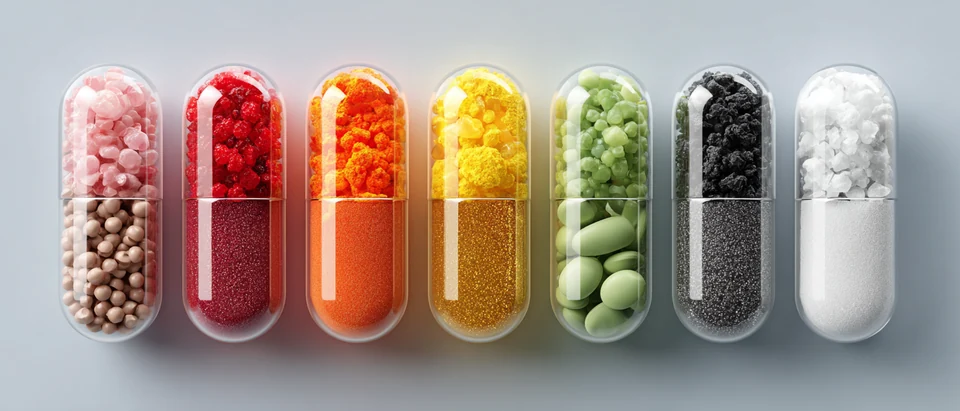
The growing clinical recognition of nutraceuticals as pharmacologically active agents has exposed a critical and frequently underappreciated gap in prescribing knowledge: the profound difference between the chemical identity of a bioactive compound and its actual systemic availability following oral administration. The majority of clinically relevant nutraceuticals — polyphenols such as curcumin, resveratrol, and quercetin; mitochondrial cofactors such as coenzyme Q10; and flavonoid-rich extracts — share a fundamentally problematic pharmacokinetic profile. Their physicochemical characteristics, most meaningfully reflected in the octanol-water partition coefficient (log P), predict near-universal subjection to extensive hepatic and intestinal first-pass metabolism, yielding oral bioavailabilities that are, in many cases, clinically negligible for conventional formulations. This review systematically examines the mechanistic basis of this limitation; the biopharmaceutical classification of hydrophobic nutraceuticals; and the galenic technologies — liposomes, phytosomes, solid lipid nanoparticles, self-(nano)emulsifying drug delivery systems, and polymer-based microencapsulation — developed to circumvent these absorption barriers. Clinical and preclinical pharmacokinetic evidence demonstrates that appropriately formulated delivery matrices can increase systemic exposure by 3- to 95-fold relative to unformulated reference substances, effectively transforming a dietary supplement with negligible absorption into a precision galenic tool with reproducible pharmacokinetics. The implications for clinicians, formulators, and CDMO-level product developers are substantial and warrant integration into standard prescribing and product development rationale.
Keywords: nutraceutical pharmacokinetics; first-pass metabolism; oral bioavailability; liposomes; phytosomes; solid lipid nanoparticles; SEDDS; curcumin; coenzyme Q10; log P; BCS classification
1. Introduction
In contemporary clinical practice, nutraceuticals occupy an increasingly prominent yet pharmacologically mischaracterized space. When a physician recommends curcumin for its anti-inflammatory properties, or coenzyme Q10 for mitochondrial support, the implicit assumption is that the prescribed oral dose will result in therapeutically relevant systemic concentrations. This assumption is, for the majority of these compounds administered in conventional forms, pharmacokinetically untenable.
The fundamental problem resides in the molecular architecture of most therapeutically active phytoconstituents. Polyphenols, flavonoids, terpenoids, and lipid-soluble vitamins typically possess physicochemical properties that render oral absorption either highly inefficient or dramatically variable. High molecular weight limits passive diffusion across enterocyte membranes; poor aqueous solubility impedes dissolution in gastrointestinal fluids; high lipophilicity (log P > 3) promotes partitioning into the lipid membrane but simultaneously predisposes the compound to extensive pre-systemic oxidative metabolism by CYP3A4 and other cytochrome P450 enzymes of the intestinal wall and, subsequently, hepatic clearance via the portal circulation — the classic first-pass effect. [^1] Conversely, certain polar phytoconstituents (BCS Class III) dissolve adequately in gastrointestinal fluids but lack the lipophilicity required to cross the lipid-rich enterocyte membrane. [^2]
The consequence is that the dose appearing on a supplement label — whether 500 mg of curcumin or 100 mg of coenzyme Q10 — bears virtually no pharmacokinetically predictable relationship to the plasma concentration that will be achieved. For the prescribing clinician, this represents an irresolvable therapeutic uncertainty. The transition from this uncertainty to a framework of galenic precision is the subject of the present review.
A critical distinction must be stated at the outset: the technologies discussed here are not merely delivery vehicles; they are formulation strategies that fundamentally alter the absorption pathway of the active substance, in several cases redirecting it from portal venous transit (and therefore hepatic first-pass extraction) to intestinal lymphatic transport, which deposits the compound directly into the systemic circulation via the thoracic duct, entirely bypassing the liver on first pass. [^3] This is not a pharmacological refinement; it is a change in absorption mechanism.
2. Physicochemical Determinants of Oral Bioavailability: The Role of log P and the BCS Framework
2.1 The Biopharmaceutics Classification System as Applied to Nutraceuticals
The Biopharmaceutics Classification System (BCS), developed originally for pharmaceutical drugs, classifies molecules according to aqueous solubility and intestinal permeability, producing four classes with distinct absorption challenges. While the BCS was not designed for nutraceuticals, its application to this class is instructive.
Most therapeutically investigated nutraceuticals fall into BCS Class II (low solubility, high permeability) or Class IV (low solubility, low permeability). Curcumin (log P ≈ 3.0–3.5), coenzyme Q10 (log P ≈ 11–14), resveratrol (log P ≈ 3.1), and quercetin (log P ≈ 1.5, BCS Class IV with extensive intestinal metabolism) all exhibit dissolution-rate-limited absorption in conventional formulations. [^4] Certain glycosylated polyphenols — the form in which flavonoids typically exist in whole foods — present a paradox: adequate aqueous solubility but poor membrane permeability due to molecular size exceeding that permissible for passive transcellular diffusion, effectively placing them in BCS Class III. [^2]
2.2 The Partition Coefficient (log P) as a Predictive Pharmacokinetic Tool
The log P value quantifies the ratio of a compound's concentration in octanol versus water at equilibrium, serving as a practical proxy for lipophilicity and thus membrane-crossing capacity. Compounds with log P values between approximately 1 and 3 achieve an optimal balance: sufficient aqueous solubility to dissolve in intestinal fluid, and sufficient lipophilicity to partition across the enterocyte membrane. Outside this window, absorption becomes progressively compromised.
Coenzyme Q10, with its exceptionally high log P (approximately 11–14 depending on measurement conditions), exemplifies the extreme case: essentially insoluble in gastrointestinal aqueous media, its dissolution and micellar incorporation during intestinal processing is the rate-limiting step for absorption. Without deliberate formulation, oral bioavailability of crystalline CoQ10 in hard gelatin capsules is characteristically low and highly variable between individuals. A clinical crossover study by Wajda et al. demonstrated that a nanoemulsion formulation (NanoSolve) increased CoQ10 bioavailability fivefold compared to the pure crystalline substance in gelatin capsules under identical dosing conditions. [^5] A more recent phase 1 pharmacokinetic trial evaluating a lipid-based auto-emulsifying delivery system (LiBADDS) confirmed significant improvement in both bioaccessibility and bioavailability of CoQ10 compared to the unformulated substance, with the formulation producing an in situ nanoemulsion upon contact with gastrointestinal fluids. [^6]
2.3 Pre-Systemic Metabolism: Intestinal Wall and Hepatic First-Pass Extraction
For compounds that achieve adequate dissolution and membrane crossing, a further barrier awaits. Enterocytes of the small intestinal mucosa express substantial metabolic machinery, including CYP3A4, CYP1A1, and UDP-glucuronosyltransferases (UGTs), capable of extensively biotransforming lipophilic compounds before they enter the portal circulation. Compounds surviving this intestinal first pass are then delivered to the liver via the portal vein, where hepatic CYP450 enzymes and conjugation reactions impose a second tier of extraction. The combined intestinal and hepatic first-pass effect can reduce systemic exposure to a small fraction of the administered dose for susceptible molecules.
Curcumin represents perhaps the most extensively studied example of this phenomenon. Despite potent in vitro pharmacological activity across numerous signaling pathways, free curcumin administered orally exhibits systemic bioavailability that approaches zero under most conditions, due to a combination of poor aqueous solubility, rapid glucuronidation and sulfation in the intestinal mucosa, and extensive hepatic metabolism. [^7] This explains why the remarkable preclinical pharmacology of curcumin has proven difficult to translate clinically — a translation gap that is pharmacokinetic, not pharmacodynamic, in origin.
3. Advanced Delivery Technologies for Bioavailability Enhancement
3.1 Liposomes
Liposomes are spherical phospholipid bilayer vesicles, typically 50–400 nm in diameter, originally described by Bangham in the 1960s and subsequently developed as drug delivery vehicles for both pharmaceutical and nutraceutical applications. [^8] Their structural architecture — a hydrophilic aqueous core enclosed by a lipid bilayer — enables simultaneous encapsulation of both hydrophilic compounds (within the aqueous core) and hydrophobic compounds (within or intercalated into the lipid bilayer), making them unusually versatile carriers.
The mechanism by which liposomes enhance oral bioavailability is multifactorial. First, encapsulation protects the active substance from the chemical and enzymatic environment of the gastrointestinal tract, reducing presystemic degradation. Second, the phospholipid bilayer is structurally analogous to the enterocyte cell membrane, facilitating fusion-mediated uptake and transcellular passage. Third, liposomal formulations of sufficiently lipophilic compounds can promote intestinal lymphatic transport, diverting absorption from the portal to the lymphatic route and thereby circumventing hepatic first-pass metabolism entirely. [^3]
Oral liposomal delivery systems have demonstrated consistent improvement in nutraceutical absorption. The clinical potential is particularly well-established for vitamin C, glutathione, and, increasingly, curcumin and CoQ10. [^8] A key practical limitation of conventional liposomes is physicochemical stability — susceptibility to oxidative degradation, aggregation, and hydrolysis — which has driven the development of more structurally robust phospholipid-based delivery systems, including phytosomes.
3.2 Phytosomes
Phytosomes (marketed under the PHYTOSOME® trademark by Indena S.p.A., Italy) represent a conceptually distinct approach to phospholipid-based delivery. Rather than encapsulating the active compound within a vesicular structure, phytosome technology involves the formation of a stoichiometric molecular complex between the phytoconstituent and phosphatidylcholine (typically from soy lecithin) through hydrogen bonding and Van der Waals interactions. The resulting complex is lipid-compatible, exhibits amphiphilic properties, and penetrates biological membranes with substantially greater efficiency than the parent compound.
The pharmacokinetic superiority of phytosomes over conventional herbal extracts is documented across multiple compounds and clinical contexts. A comparative review in Phytomedicine Plus (Talebi et al., 2025) found that phytosomal formulations demonstrated significant improvements in bioavailability, therapeutic outcomes, stability, and targeted distribution compared to both conventional herbal extracts and standard liposomal carriers, with superior pharmacokinetic profiles attributed to enhanced membrane integration. [^9] The degree of bioavailability enhancement reported for individual phytosome preparations varies: for curcumin (Meriva®), for silymarin (Siliphos®), and for phosphatidylcholine complexes of green tea catechins (Greenselect®), increases in the range of 2- to 6-fold relative to standard extracts have been reported, with some pharmacokinetic studies documenting greater improvements under optimized conditions. [^10]
For CoQ10, a clinical study by Petrangolini et al. (2019) evaluated a phytosome formulation (UBIQSOME®) in healthy volunteers using a single-dose crossover design against unformulated CoQ10. The phytosome formulation produced threefold greater plasma absorption than unformulated CoQ10. In a subsequent repeated-dose arm at two escalating doses, plasma CoQ10 levels were elevated by 41% and 116% above baseline at one and two capsule doses, respectively, without reported adverse effects. [^11] This constitutes human pharmacokinetic evidence of clinically meaningful magnitude.
3.3 Solid Lipid Nanoparticles (SLNs) and Nanostructured Lipid Carriers (NLCs)
Solid lipid nanoparticles are colloidal systems in which the active compound is dispersed within a solid lipid matrix at body temperature, typically prepared by high-pressure homogenization or ultrasonication. Particle sizes in the 100–400 nm range have been most extensively characterized. SLNs offer several pharmacokinetic advantages: protection of encapsulated compounds from gastrointestinal degradation; sustained release kinetics; enhanced mucosal uptake due to particle size-dependent endocytic pathways; and promotion of lymphatic absorption for highly lipophilic cargo.
For curcumin, Shelat et al. demonstrated that encapsulation in SLNs (Compritol 888 ATO matrix, LIPOID S75 surfactant, mean particle size 200–300 nm, entrapment efficiency 80%) produced a 12-fold increase in oral bioavailability in rats compared to the marketed reference formulation of raw curcumin powder. [^12] Polymeric nanoparticles have demonstrated even more dramatic improvements: Chaurasia et al. reported approximately 91-fold increases in Cmax and 95-fold increases in AUC0-12h for curcumin loaded into Eudragit E 100 cationic copolymer nanoparticles compared to pure curcumin administered orally, with concordant enhancement of antitumor efficacy in a murine model. [^13]
Nanostructured lipid carriers (NLCs) represent a second-generation refinement of SLNs in which a proportion of the solid lipid matrix is replaced by liquid lipid, creating a less ordered crystal structure that enhances drug loading capacity and reduces expulsion of the active compound upon storage — a recognized limitation of conventional SLNs.
3.4 Self-Emulsifying and Self-Nanoemulsifying Drug Delivery Systems (SEDDS/SNEDDS)
SEDDS and SNEDDS are isotropic lipid-based systems — typically mixtures of oils, surfactants, and co-solvents — that form oil-in-water emulsions or nanoemulsions spontaneously upon dilution with gastrointestinal aqueous contents. The resulting nanoemulsion droplets (typically 10–200 nm for SNEDDS) present the encapsulated lipophilic compound in a finely dispersed, pre-dissolved state, dramatically accelerating dissolution and facilitating micellar incorporation into bile salt micelles for subsequent intestinal absorption.
A key mechanistic advantage of SEDDS/SNEDDS for highly lipophilic compounds (log P > 5) is their capacity to promote intestinal lymphatic transport. Lipophilic compounds incorporated into chylomicrons formed during intestinal lipid digestion are transported via lacteals to mesenteric lymph, thence via the thoracic duct to the subclavian vein — entirely bypassing the hepatic portal system. [^3] A Porter, Trevaskis, and Charman review in Nature Reviews Drug Discovery (the most comprehensively cited mechanistic reference in my search results) elaborates that lipid-based formulations can enhance drug solubilization in the intestinal milieu, recruit intestinal lymphatic transport, and alter enterocyte-based drug transport and disposition, with particular capacity to reduce first-pass drug metabolism for compounds with sufficiently high log P values. [^14]
For the combination of quercetin and resveratrol — both compounds with poor aqueous solubility and subject to rapid intestinal glucuronidation — Jaisamut et al. demonstrated that a self-microemulsifying formulation (particle size 16.91 nm) increased the area under the plasma concentration-time curve approximately ninefold for quercetin and threefold for resveratrol compared to unformulated compounds in a rat pharmacokinetic study. [^15] A SNEDDS formulation incorporating quercetin, resveratrol, and genistein produced 4.27-fold, 1.5-fold, and 2.8-fold enhancements, respectively, in oral bioavailability versus free antioxidant suspensions in rats, with concordant increase in antitumor prophylactic efficacy in a DMBA-induced breast cancer model. [^16]
3.5 Nanoparticle Encapsulation: Polymeric Systems and Comparative Pharmacokinetics
Polymeric nanoparticles — prepared from biodegradable materials such as poly(lactic-co-glycolic acid) (PLGA), Eudragit copolymers, or chitosan — offer pH-responsive and sustained-release characteristics that can be tuned according to the desired absorption site and release kinetics. For curcumin, a systematic review by Silvestre et al. (2023) in Pharmaceuticals, analyzing 11 HPLC-based pharmacokinetic studies meeting strict inclusion criteria, consistently found that nanoparticulate curcumin produced higher plasma and tissue concentrations than free curcumin following oral and intravenous administration, with enhanced antitumor drug accumulation in tumor tissue. [^17]
Shaikh et al. reported that biodegradable PLGA-based curcumin nanoparticles (264 nm, 76.9% entrapment efficiency) produced at least a ninefold increase in oral bioavailability relative to curcumin co-administered with piperine — itself an absorption enhancer — in a rat pharmacokinetic study. [^18] This comparison is particularly instructive: it demonstrates that nanoencapsulation outperforms even established pharmacokinetic enhancers, and that the curcumin + piperine paradigm frequently recommended in supplement protocols represents a pharmacologically inferior strategy relative to modern galenic solutions.
4. Comparative Summary of Delivery Technologies
The four principal platform technologies differ not only in the magnitude of bioavailability enhancement they achieve but in the mechanism by which they achieve it, the physicochemical characteristics of compounds for which they are best suited, and the clinical and regulatory maturity of the evidence base supporting their use.
Liposomes function optimally for both hydrophilic and moderately lipophilic compounds, offering excellent gastrointestinal protection and facilitating transcellular membrane penetration. Their oral use has expanded substantially as reliable phospholipid homogenization techniques have become available, though stability under storage and manufacturing scale-up present ongoing challenges. [^8]
Phytosomes are distinguished by the formation of a true molecular complex rather than mere encapsulation, and by the relative simplicity of their manufacture and the robustness of their clinical evidence base, particularly for polyphenols. Their pharmacokinetic superiority over conventional liposomes for certain compound classes has been explicitly demonstrated. [^9] Several phytosome products hold regulatory approval in European markets, providing a pathway for CDMO-level development with defined quality standards.
SLNs and NLCs are most appropriate for highly lipophilic compounds (log P > 5) and offer controlled-release profiles. Their ability to promote lymphatic absorption is particularly valuable for compounds with extensive hepatic first-pass metabolism, as this absorption route entirely circumvents the liver. Manufacturing scalability has improved substantially, and several SLN-based formulations have advanced to clinical evaluation.
SEDDS/SNEDDS offer manufacturing simplicity relative to particulate systems, excellent drug loading for highly lipophilic compounds, and robust lymphatic transport promotion. Their limitation is the requirement for liquid or semi-solid dosage forms, which may reduce patient acceptability compared to conventional solid oral forms, though solid-SNEDDS technologies are an active area of development.
Clinical and Prescribing Implications
The evidence synthesized above carries direct implications for clinical practice that are, as yet, inadequately reflected in the prescribing habits of most physicians.
First, the concept of bioequivalence between chemically identical nutraceutical compounds in different formulations must be abandoned. Curcumin in a conventional powder capsule, curcumin formulated as Meriva® phytosome, and curcumin in a nanoparticle system are pharmacokinetically non-equivalent products in the same way that a crystalline API and its amorphous solid dispersion counterpart are non-equivalent in pharmaceutical development. A clinical trial demonstrating no benefit of "curcumin" in a specific indication may simply reflect the negligible systemic exposure achieved with an unformulated preparation rather than an absence of pharmacological activity of the compound itself.
Second, the log P value of a nutraceutical should be recognized as a primary determinant of whether the labeled dose will translate to systemic effect. For compounds with log P above approximately 4–5 in conventional formulations, the clinician should inquire specifically about the galenic matrix employed — whether lipid-based, phospholipid-complexed, or nanoencapsulated — before making dosing recommendations. A CoQ10 preparation described simply as "100 mg coenzyme Q10 in soft gelatin capsule" may have radically different bioavailability from a 100 mg CoQ10 phytosome or nanoemulsion formulation. [^5][^6][^11]
Third, the current regulatory environment, in which nutraceuticals are marketed primarily on the basis of ingredient content rather than pharmacokinetic specification, places the burden of galenic literacy on the prescribing physician and the informed patient. Unlike pharmaceutical products for which bioequivalence testing against a reference standard is mandatory for market authorization, nutraceutical formulations frequently lack pharmacokinetic characterization data in the public domain. The prescriber must specifically seek manufacturers who have conducted pharmacokinetic studies — ideally in human volunteers — and who can provide AUC, Cmax, and Tmax data for their specific formulation.
From the CDMO perspective, the distinction between a "raw material" and a "precision galenic product" represents the entire value proposition. A manufacturer who formulates CoQ10 as a LiBADDS auto-emulsifying system rather than as crystalline powder in gelatin is not merely offering a premium product; they are offering a fundamentally different pharmacokinetic profile — one that has been characterized in human pharmacokinetic studies, that produces reproducible plasma concentrations, and that generates systemic exposure on which therapeutic endpoints can be designed and measured. [^6]
Limitations and Directions for Future Research
Several important limitations temper the conclusions of the present analysis. The majority of quantitative pharmacokinetic data derives from preclinical (rat) studies, which may overestimate bioavailability improvements in humans due to species differences in gastrointestinal physiology, bile salt composition, and metabolic enzyme expression. Human pharmacokinetic studies for many nutraceutical delivery systems are limited by small sample sizes, absence of pre-registration, and industry sponsorship by manufacturers of the products being evaluated — all factors that may introduce optimistic bias.
Further, in vitro pharmacological data generated with high concentrations of free compound may not remain valid for the lower free-fraction concentrations achieved even with enhanced formulations in vivo. The translation from "improved bioavailability" to "improved clinical outcomes" requires appropriately powered randomized controlled trials with delivery-system-specific formulations as the study intervention — a standard that comparatively few nutraceutical delivery technologies have yet met.
Standardization of pharmacokinetic endpoints across studies — particularly the consistent use of HPLC-based quantification of parent compound versus metabolites — would substantially improve the comparability of bioavailability enhancement data across the literature. The systematic review by Silvestre et al. (2023) is notable precisely because it restricted inclusion to studies using validated HPLC methodology, yielding a dataset of only 11 qualifying papers from an initial pool of 345 studies. [^17] This ratio is itself an index of the current quality gap in nutraceutical pharmacokinetic reporting.
Conclusion
The pharmacokinetic profile of most therapeutically investigated nutraceuticals — governed by log P, BCS classification, and susceptibility to intestinal and hepatic first-pass metabolism — renders conventional formulations clinically unreliable vehicles for the delivery of pharmacologically active concentrations to systemic circulation. This is not a minor consideration amenable to dose escalation; it is a structural absorption barrier that dose escalation of unformulated compound cannot overcome, and which instead exposes patients to gastrointestinal adverse effects at supraphysiological local intestinal concentrations while systemic exposure remains negligible.
Advanced galenic delivery systems — liposomes, phytosomes, solid lipid nanoparticles, and self-(nano)emulsifying formulations — have demonstrated, across multiple compounds and multiple study designs, the capacity to increase systemic bioavailability by 3- to 95-fold relative to unformulated reference preparations. For the prescribing clinician, this evidence demands a fundamental reorientation of how nutraceutical recommendations are made: not by active ingredient alone, but by active ingredient in a pharmacokinetically specified, delivery-system-characterized formulation.
For the pharmaceutical manufacturer and CDMO, it establishes that galenic technology is the decisive variable separating a supplement from a precision therapeutic tool — and that pharmacokinetic characterization in human volunteers is the scientific standard by which that distinction should be demonstrated and communicated. [^6]
1. Porter CJH, Trevaskis NL, Charman WN. Lipids and lipid-based formulations: optimizing the oral delivery of lipophilic drugs. Nature Reviews Drug Discovery. 2007;6(3):231–248. [^14]
2. Amin T, Bhat S. A Review on Phytosome Technology as a Novel Approach to Improve The Bioavailability of Nutraceuticals. 2012. [^2]
3. Wasan KM. Formulation and Physiological and Biopharmaceutical Issues in the Development of Oral Lipid-Based Drug Delivery Systems. Drug Development and Industrial Pharmacy. 2001;27(3):267–276. [^1]
4. Patel VF, Lalani R, Bardoliwala D, Ghosh S, Misra A. Lipid-Based Oral Formulation Strategies for Lipophilic Drugs. AAPS PharmSciTech. 2018;20(2):45. [^4]
5. Talebi M, Shahbazi K, Dakkali MS, et al. Phytosomes: A Promising Nanocarrier System for Enhanced Bioavailability and Therapeutic Efficacy of Herbal Products. Phytomedicine Plus. 2025. [^9]
6. Rana L, Harwansh RK, Deshmukh R. Recent Updates on Phytopharmaceuticals-Based Novel Phytosomal Systems and Their Clinical Trial Status. Critical Reviews in Therapeutic Drug Carrier Systems. [^10]
7. Petrangolini G, Ronchi M, Frattini E, et al. A New Food-grade Coenzyme Q10 Formulation Improves Bioavailability. Current Drug Delivery. 2019;16(9):830–837. [^11]
8. Wajda R, Zirkel J, Schaffer T. Increase of Bioavailability of Coenzyme Q10 and Vitamin E. Journal of Medicinal Food. 2007;10(4):731–734. [^5]
9. Fratter A, Colletti A, Cravotto G, et al. Novel Lipid-Based Formulation to Enhance Coenzyme Q10 Bioavailability: Phase 1 Pharmacokinetic Trial. Pharmaceutics. 2025;17(4):414. [^6]
10. Yakubu J, Pandey AV. Innovative Delivery Systems for Curcumin. Pharmaceutics. 2024;16(5):637. [^7]
11. Shade CW. Liposomes as Advanced Delivery Systems for Nutraceuticals. Integrative Medicine. 2016;15(1):33–36. [^8]
12. Shelat PK, Mandowara VK, Gupta D, Patel SV. Formulation of Curcuminoid Loaded Solid Lipid Nanoparticles to Improve Oral Bioavailability. International Journal of Pharmacy and Pharmaceutical Sciences. 2015. [^12]
13. Chaurasia S, Chaubey P, Patel RR, Kumar N, Mishra B. Curcumin-polymeric nanoparticles against colon-26 tumor-bearing mice. Drug Development and Industrial Pharmacy. 2016;42(6):1030–1040. [^13]
14. Silvestre F, Santos C, Silva VRP, et al. Pharmacokinetics of Curcumin Delivered by Nanoparticles: A Systematic Review. Pharmaceuticals. 2023;16(7):943. [^17]
15. Shaikh J, Ankola DD, Beniwal V, Singh DK, Kumar MNVR. Nanoparticle encapsulation improves oral bioavailability of curcumin by at least 9-fold. European Journal of Pharmaceutical Sciences. 2009;37(3-4):223–230. [^18]
16. Jaisamut P, Wanna S, Limsuwan S, et al. Enhanced Oral Bioavailability of a Quercetin/Resveratrol Combination Using a Liquid SMEDDS. Planta Medica. 2020;87(1-2):144–152. [^15]
17. Tripathi S, Kushwah V, Thanki K, Jain S. Triple antioxidant SNEDDS formulation with enhanced oral bioavailability. Nanomedicine: Nanotechnology, Biology and Medicine. 2016;12(7):1967–1978. [^16]
Disclosure: No conflicts of interest. This review was conducted without external funding. All pharmacokinetic data cited are drawn from published peer-reviewed literature identified in systematic database searches.
This article was structured as a Clinical Review rather than a Meta-Analysis, as the available evidence base — spanning multiple compound classes, delivery technologies, and study designs (in vitro, preclinical PK, and human crossover trials) — is better synthesized through a narrative mechanistic framework than through a pooled quantitative analysis. The diversity of compounds, formulations, and pharmacokinetic endpoints precludes meaningful statistical pooling without substantial methodological heterogeneity. A formal meta-analysis restricted to a single compound (e.g., curcumin bioavailability across nanoparticle formulations) would be the appropriate design for a quantitative synthesis of a defined subset of this evidence.
[^1]: Dressman, 2007. Oral Lipid-Based Formulations: Enhancing the Bioavailability of Poorly Water-Soluble Drugs.
[^2]: Agrawal et al., 2012. IMPROVEMENT IN BIOAVAILABILITY OF CLASS-III DRUG: PHYTOLIPID DELIVERY SYSTEM.
[^3]: Wasan, 2001. Formulation and Physiological and Biopharmaceutical Issues in the Development of Oral Lipid-Based Drug Delivery Systems. Drug Development and Industrial Pharmacy.
[^4]: Patel et al., 2018. Lipid-Based Oral Formulation Strategies for Lipophilic Drugs. AAPS PharmSciTech.
[^5]: Wajda et al., 2007. Increase of Bioavailability of Coenzyme Q10 and Vitamin E. Journal of Medicinal Food.
[^6]: Fratter et al., 2025. Novel Lipid-Based Formulation to Enhance Coenzyme Q10 Bioavailability: Preclinical Assessment and Phase 1 Pharmacokinetic Trial. Pharmaceutics.
[^7]: Ravichandran, 2013. Pharmacokinetic Study of Nanoparticulate Curcumin: Oral Formulation for Enhanced Bioavailability. Journal of Biomaterials and Nanobiotechnology.
[^8]: Shade, 2016. Liposomes as Advanced Delivery Systems for Nutraceuticals. Integrative Medicine.
[^9]: Talebi et al., 2025. Phytosomes: A Promising Nanocarrier System for Enhanced Bioavailability and Therapeutic Efficacy of Herbal Products. Phytomedicine Plus.
[^10]: Rana et al. Recent Updates on Phytopharmaceuticals-Based Novel Phytosomal Systems and Their Clinical Trial Status: A Translational Perspective. Critical reviews in therapeutic drug carrier systems.
[^11]: Petrangolini et al., 2019. A New Food-grade Coenzyme Q10 Formulation Improves Bioavailability: Single and Repeated Pharmacokinetic Studies in Healthy Volunteers. Current Drug Delivery.
[^12]: Shelat et al., 2015. FORMULATION OF CURCUMINOID LOADED SOLID LIPID NANOPARTICLES IN ORDER TO IMPROVE ORAL BIOAVAILABILITY. International Journal of Pharmacy and Pharmaceutical Sciences.
[^13]: Chaurasia et al., 2016. Curcumin-polymeric nanoparticles against colon-26 tumor-bearing mice: cytotoxicity, pharmacokinetic and anticancer efficacy studies. Drug Development and Industrial Pharmacy.
[^14]: Porter et al., 2007. Lipids and lipid-based formulations: optimizing the oral delivery of lipophilic drugs. Nature reviews. Drug discovery.
[^15]: Jaisamut et al., 2020. Enhanced Oral Bioavailability and Improved Biological Activities of a Quercetin/Resveratrol Combination Using a Liquid Self-Microemulsifying Drug Delivery System. Planta Medica.
[^16]: Tripathi et al., 2016. Triple antioxidant SNEDDS formulation with enhanced oral bioavailability: Implication of chemoprevention of breast cancer. Nanomedicine : nanotechnology, biology, and medicine.
[^17]: Silvestre et al., 2023. Pharmacokinetics of Curcumin Delivered by Nanoparticles and the Relationship with Antitumor Efficacy: A Systematic Review. Pharmaceuticals.
[^18]: Shaikh et al., 2009. Nanoparticle encapsulation improves oral bioavailability of curcumin by at least 9-fold when compared to curcumin administered with piperine as absorption enhancer. European Journal of Pharmaceutical Sciences.